
Translucent or opaque: choosing a film
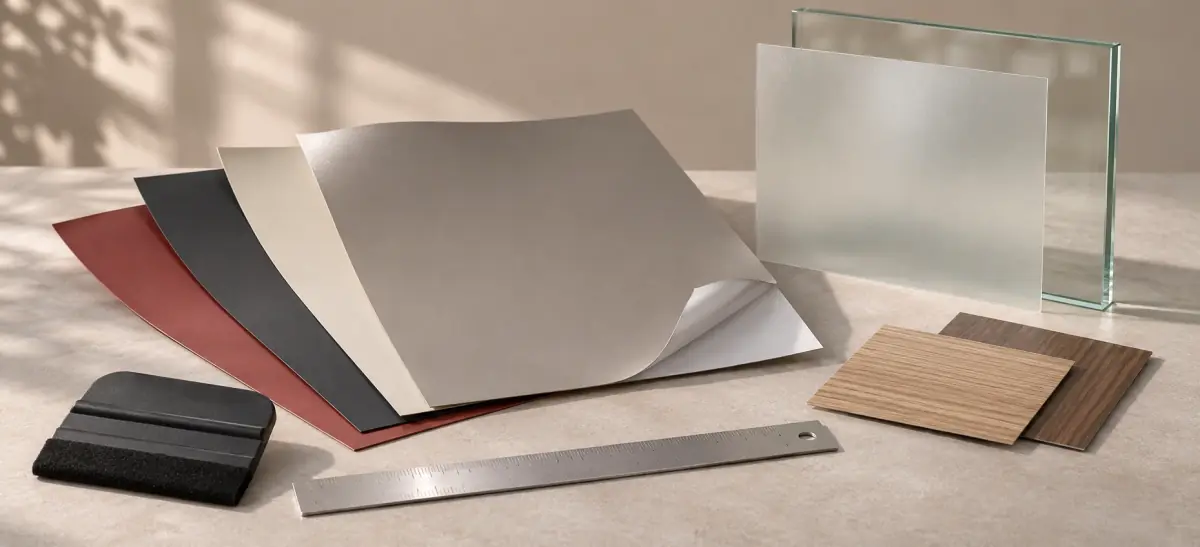
Translucent and opaque films do more than change how bright a graphic appears. The right choice depends on the light source, substrate and intended brand colours. This article outlines the application questions, installation conditions and sample checks that help clarify a material brief.
Start with the application
Start with whether your sign needs backlighting. Confirm the substrate, graphic process and environment with the team, then validate the result with a sample.
What to check
Review your substrate, lighting, graphic dimensions and expected service life. Use a physical sample in the intended setting to compare colour, texture and visual effects before confirming a material.
Plan the next step
Prepare artwork or reference images, site photographs, quantities and the project schedule. Discuss installation and maintenance requirements with the team. Specific performance and warranty conditions should be checked against the relevant product documents.
Start with the lighting requirement
Decide whether the graphic needs to be backlit before comparing colours. Translucent and opaque films support different visual approaches, so review daytime and nighttime viewing conditions together with the sign structure and graphic process.
A colour can look different under daylight, interior lighting and backlighting. Compare physical samples on the intended substrate with a representative light source rather than relying only on a screen image.
Consider the substrate and graphic process
Glass, coated panels and sign structures present different installation conditions. Share close-up photographs and explain whether the work is a new installation or an update to an existing sign, including any known coatings or surface issues.
Discuss fine lettering, large areas of colour and planned joins before production. A small mock-up can reveal how the graphic process, edges and seams affect the overall result.
Confirm the direction with a sample
Compare candidate materials under similar conditions and record the colour reference, lighting arrangement and edge treatment. The sample should help confirm the combined design rather than colour alone.
Before ordering, check product references, dimensions, quantities and installation arrangements. Confirm performance, intended service life and warranty scope against the relevant official product documentation.